
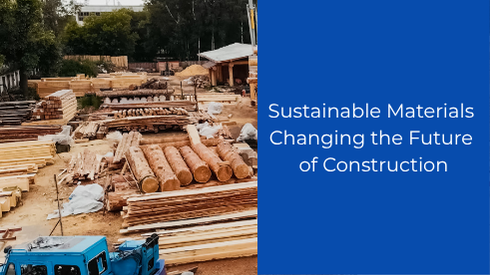
The construction industry is undergoing a major transformation. As climate concerns intensify and resource scarcity becomes more evident, builders, architects, and developers are rethinking how structures are designed and built. At the heart of this shift is the growing adoption of sustainable materials—innovative solutions that reduce environmental impact while maintaining durability, functionality, and aesthetic appeal.
Why Sustainable Materials Matter
Traditional construction relies heavily on resource-intensive materials such as concrete, steel, and virgin timber. While these have long been the backbone of the industry, they also contribute significantly to carbon emissions, deforestation, and waste. For example, cement production alone accounts for a notable percentage of global CO₂ emissions.
Sustainable materials aim to minimize these impacts by using renewable resources, recycled content, or low-energy production methods. The goal is not only to reduce harm but to create buildings that are more efficient, healthier for occupants, and cost-effective over time.
Types of Sustainable Materials Gaining Popularity
One of the most exciting aspects of sustainable construction is the diversity of materials now available. These include:
1. Recycled and Reclaimed Materials
Reusing materials such as reclaimed wood, recycled steel, and repurposed bricks helps reduce the demand for new raw resources. These materials often come with unique textures and character, adding aesthetic value while promoting environmental responsibility.
2. Bamboo
Bamboo is one of the fastest-growing plants on Earth, making it an excellent renewable resource. It is strong, lightweight, and versatile, often used for flooring, structural elements, and even scaffolding in some parts of the world.
3. Cross-Laminated Timber (CLT)
CLT is an engineered wood product made by layering timber in alternating directions. It offers impressive strength and stability, making it a viable alternative to concrete and steel in certain applications. Additionally, it stores carbon, helping offset emissions.
4. Hempcrete
Made from the inner fibers of the hemp plant mixed with lime, hempcrete is a lightweight, insulating material. It is breathable, resistant to mold, and has a significantly lower environmental footprint compared to traditional concrete.
5. Recycled Plastic and Composite Materials
Plastic waste is being transformed into durable construction materials such as panels, bricks, and insulation. These innovations not only reduce landfill waste but also provide cost-effective building solutions.
Benefits Beyond the Environment
While environmental impact is a key driver, sustainable materials also offer several practical benefits:
- Energy Efficiency: Many eco-friendly materials provide better insulation, reducing heating and cooling costs.
- Durability: Contrary to common misconceptions, sustainable materials can be highly durable and long-lasting.
- Healthier Living Spaces: Materials with low or no toxic emissions improve indoor air quality.
- Cost Savings Over Time: Although initial costs may be higher, long-term savings from energy efficiency and reduced maintenance often outweigh the investment.
Challenges to Adoption
Despite the advantages, the widespread adoption of sustainable materials faces several hurdles. One major challenge is cost perception. While prices are gradually becoming more competitive, some developers remain hesitant due to higher upfront expenses.
Another barrier is limited awareness and expertise. Many construction professionals are still unfamiliar with newer materials or lack the training needed to use them effectively. Additionally, building codes and regulations in some regions have not yet fully adapted to accommodate innovative materials.
Supply chain limitations can also play a role. Sustainable materials are not always readily available in every market, which can delay projects or increase costs.
The Role of Innovation and Technology
Technology is playing a crucial role in accelerating the use of sustainable materials. Advances in material science are leading to stronger, lighter, and more efficient products. For example, self-healing concrete and carbon-negative materials are pushing the boundaries of what’s possible.
Digital tools such as Building Information Modeling (BIM) allow architects and engineers to simulate environmental impacts and optimize material usage before construction even begins. This not only reduces waste but also ensures better performance over a building’s lifecycle.
A Shift in Industry Mindset
Perhaps the most important change is the shift in mindset across the industry. Sustainability is no longer seen as an optional feature—it is becoming a standard expectation. Governments, investors, and consumers are increasingly demanding environmentally responsible practices.
Green certifications and sustainability benchmarks are also encouraging developers to adopt eco-friendly materials. These standards not only enhance a building’s market value but also demonstrate a commitment to responsible development.
Looking Ahead
The future of construction is undoubtedly tied to sustainability. As innovation continues and awareness grows, sustainable materials will become more accessible and affordable. The buildings of tomorrow will not only meet functional needs but also contribute positively to the environment.
In the years ahead, we can expect to see entire cities designed with sustainability at their core—where materials are chosen not just for their strength and cost, but for their impact on the planet.
Sustainable materials are more than just a trend; they represent a fundamental shift in how we build and live. By embracing these innovations today, the construction industry is laying the foundation for a greener, more resilient future.