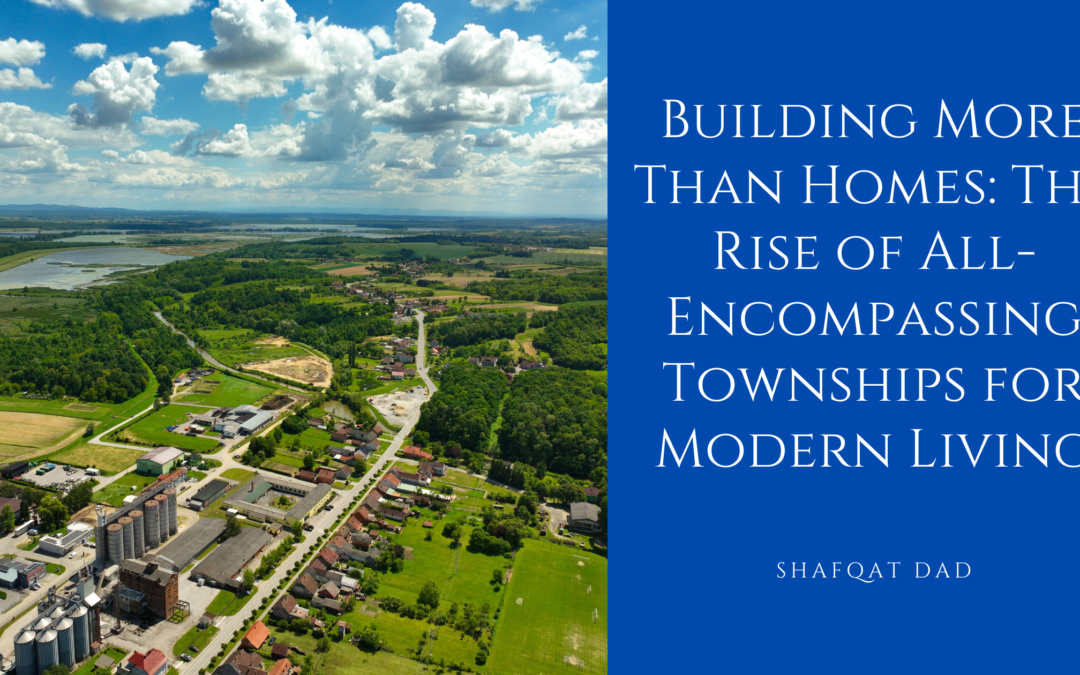
The way people choose where they live has evolved dramatically over the past decade. Homebuyers are no longer searching for just a house—they’re looking for a lifestyle. This shift has fueled the growth of integrated townships that combine residential spaces, commercial hubs, green landscapes, healthcare, education, recreation, and essential services into one thoughtfully planned community. These developments are redefining urban living by creating places where people can live, work, learn, and thrive without sacrificing convenience or quality of life.
A New Vision for Property Development
Modern property development goes beyond constructing buildings. Today’s developers are designing communities that prioritize functionality, sustainability, and long-term value. The focus is on creating environments that support residents through every stage of life while fostering a strong sense of belonging.
Successful township developments are built around people, ensuring that every element contributes to a healthier, more connected, and enjoyable living experience.
The Essential Elements of an Integrated Township
A well-planned township combines multiple features to create a self-sustaining ecosystem. These often include:
- Diverse residential options for individuals, families, and seniors
- Schools, childcare centers, and educational facilities
- Hospitals, clinics, and wellness centers
- Retail outlets, supermarkets, cafés, and restaurants
- Parks, playgrounds, walking trails, and open green spaces
- Sports facilities, fitness centers, and community clubs
- Office spaces and business districts that reduce commuting time
- Reliable public transportation and well-designed road networks
When these amenities work together, residents enjoy greater convenience while reducing dependence on long daily commutes.
Sustainability at the Core
Environmental responsibility has become a defining feature of modern construction. Developers increasingly recognize that sustainable communities are not only better for the planet but also provide long-term economic and social benefits.
Many new townships incorporate:
- Energy-efficient building materials and designs
- Solar energy and renewable power solutions
- Rainwater harvesting and water recycling systems
- Smart waste management initiatives
- Native landscaping that supports biodiversity
- Electric vehicle charging stations and pedestrian-friendly infrastructure
These features help lower operating costs while creating healthier environments for future generations.
Designing Communities That Foster Connection
The most successful townships encourage interaction rather than isolation. Shared public spaces create opportunities for neighbors to connect, children to play safely, and families to spend quality time together.
Community-focused planning often includes:
- Central parks and gathering spaces
- Cultural and recreational venues
- Community events and local markets
- Safe cycling and walking paths
- Inclusive, accessible public areas for all ages and abilities
These elements contribute to stronger neighborhoods and a greater sense of belonging among residents.
Looking Toward the Future
As cities continue to grow, integrated townships represent a forward-thinking approach to urban development. By blending thoughtful design, sustainable construction, modern infrastructure, and community-centered planning, developers can create places that support both economic growth and a high quality of life.
The future of property development lies in building more than structures—it lies in creating vibrant, resilient communities where people can live comfortably, work efficiently, connect meaningfully, and enjoy every stage of life. When developers embrace this holistic vision, they don’t simply shape skylines; they help shape healthier, happier, and more sustainable futures for generations to come.